01
Your Kit Arrives Ready
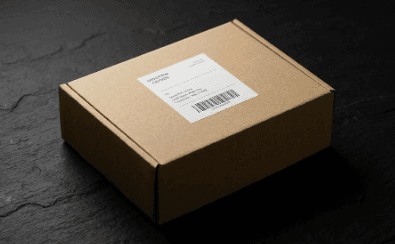
A custom-engineered shipping kit lands at your door - padded, insured, and built specifically to protect blades in transit. No improvising. No bubble wrap guesswork.
Precision sharpeners
Professional wet-stone sharpening, shipped to your door. No heat. No shortcuts. Just an edge worth cooking with.
Order your mail-in kitPrecision sharpeners
Professional wet-stone sharpening, shipped to your door. No heat. No shortcuts. Just an edge worth cooking with.
Order your mail-in kitPrecision workflow
Mail-in, sharpened, returned — a precision cycle you can see.
01
A custom-engineered shipping kit lands at your door - padded, insured, and built specifically to protect blades in transit. No improvising. No bubble wrap guesswork.
02

En route
24/7
Tracking
Insured
Both ways
Slide your knives into the included edge guards, seal the box, and drop it off. Pre-paid label included. We handle everything from there.
03
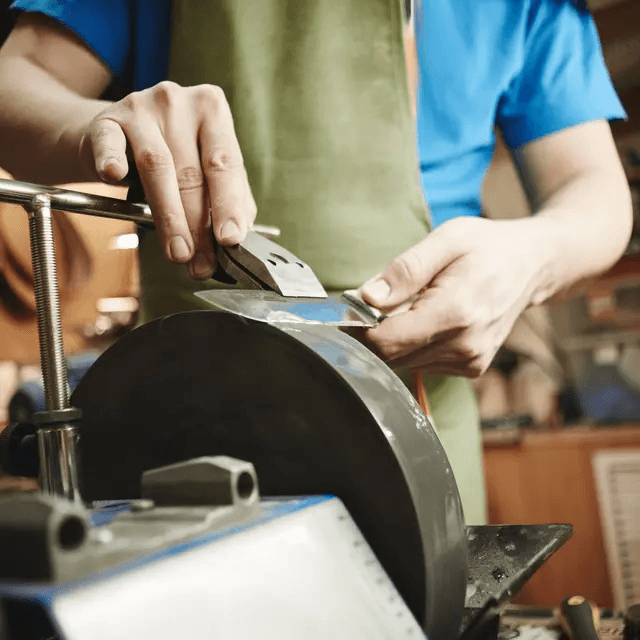
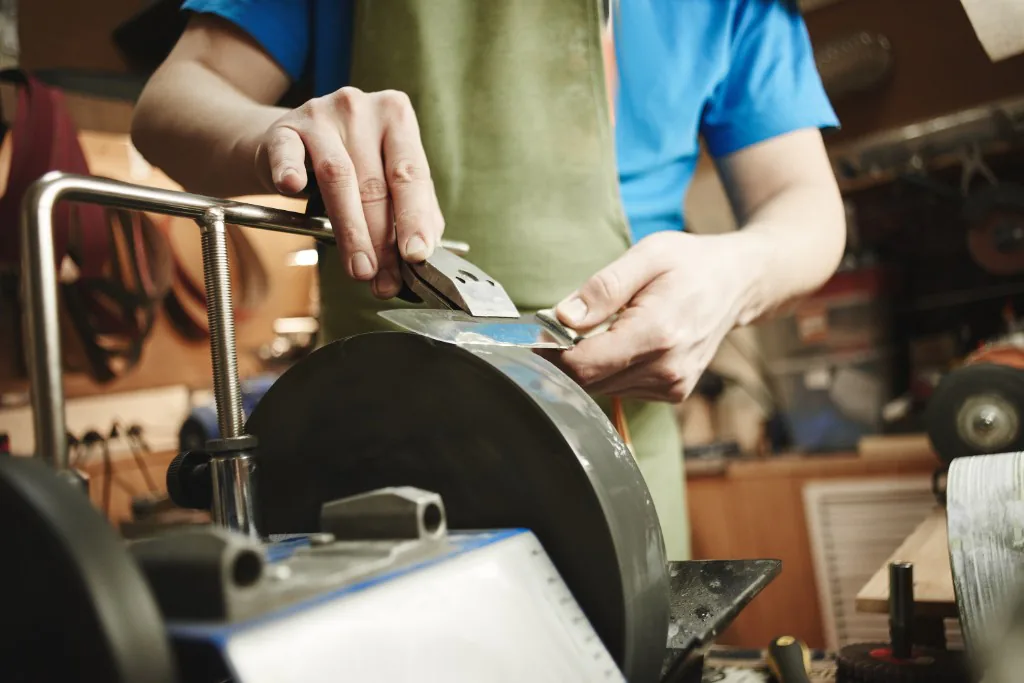
Low-speed wet-stone sharpening keeps your blade cool, protects its temper, controls the bevel, and creates an edge built to last.
04
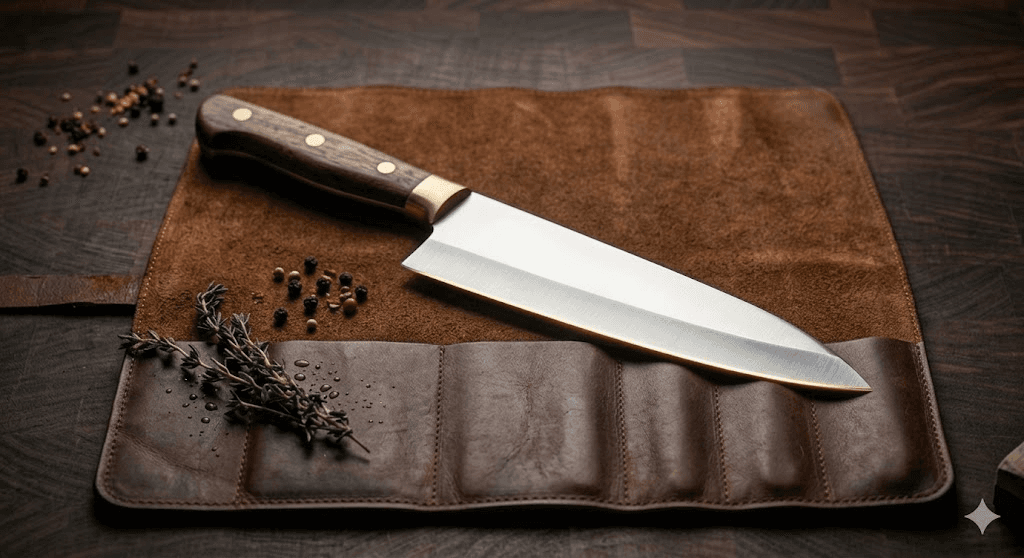
Every blade is leather-stropped to remove the final burr, treated with camellia oil to protect the steel, and packed for the return journey - sharper than it's ever been.
Why people use it
Low-speed wet-stone sharpening keeps the steel cool, protects blade temper, and leaves a cleaner edge than aggressive dry grinding.
A wet stone keeps the blade cool, preserving the hardness that helps it hold an edge.
Slow stone speed gives us more control, removing less steel while refining the angle.
Water flushes away metal filings so the abrasive cuts cleanly instead of overheating or clogging.
After sharpening, stropping refines the apex, removes the remaining wire burr, and helps the edge feel smoother in use.
Each kitchen blade receives a light camellia oil treatment to help protect the freshly sharpened edge before return shipping.
Kitchen knives, chisels, plane blades, scissors, axes, and carving tools can be handled with care.
Wet stone vs. gadgets
Consumer sharpeners can work for quick touch-ups, but fixed angles and aggressive abrasives often limit control over heat, steel removal, and bevel geometry.
Cool water, slow speed, and clean abrasive contact protect the steel while refining the bevel.
Fast friction can burn the edge, damage temper, and remove too much steel too quickly.
Carbide wheels and fixed angles can scrape, chip, or reshape a knife instead of properly sharpening it.
Convenient, but often too aggressive for quality knives and too limited for varied blade geometry.
Belts can sharpen quickly, but they can also round tips, over-polish bevels, and remove more steel than needed.
Capable of excellent results, but the outcome depends heavily on angle consistency and time.
FAQ
Trusted by home cooks, restaurant and catering teams, hunters and anglers, makers, and trade pros who rely on Sharpen.pro for the edges that keep them working.
Get started nowTrusted by home cooks, restaurant and catering teams, hunters and anglers, makers, and trade pros who rely on Sharpen.pro for the edges that keep them working.
Get started now